


The Role of Nutrition in Overcoming Male and Female Infertility

Infertility affects millions of couples worldwide, creating emotional and physical challenges. While many factors contribute to infertility, nutrition plays a crucial role in supporting reproductive health for both men and women. Understanding how diet influences fertility can empower individuals to make informed choices that improve their chances of conception. This article explores the connection between nutrition and fertility, highlights key nutrients, and offers practical dietary advice to support reproductive health.
How Nutrition Affects Fertility
Nutrition influences fertility by affecting hormone levels, egg and sperm quality, and overall reproductive function. Poor dietary habits can lead to nutrient deficiencies, oxidative stress, and inflammation, all of which may impair fertility. Conversely, a nutrient-rich diet supports hormonal balance, improves egg and sperm health, and creates an optimal environment for conception.
For example, antioxidants found in fruits and vegetables help protect reproductive cells from damage caused by free radicals. Healthy fats support hormone production, while adequate protein intake provides the building blocks for reproductive tissues. Maintaining a healthy weight through balanced nutrition also plays a significant role, as both underweight and overweight conditions can disrupt fertility.
Key Nutrients for Female Fertility
Women’s fertility depends heavily on nutrients that regulate ovulation, hormone production, and uterine health. Some essential nutrients include:
Folate (Vitamin B9): Critical for DNA synthesis and cell division, folate reduces the risk of neural tube defects and supports early fetal development. Women trying to conceive should consume at least 400 micrograms daily from leafy greens, legumes, and fortified foods.
Iron: Iron deficiency can cause ovulatory infertility. Sources include lean meats, spinach, and beans. Pairing iron-rich plant foods with vitamin C enhances absorption.
Omega-3 Fatty Acids: Found in fatty fish, flaxseeds, and walnuts, omega-3s reduce inflammation and support hormone production.
Vitamin D: Low vitamin D levels are linked to infertility and poor pregnancy outcomes. Sun exposure and foods like fortified dairy or supplements can help maintain adequate levels.
Antioxidants: Vitamins C and E, selenium, and zinc protect eggs from oxidative damage. Citrus fruits, nuts, seeds, and whole grains are good sources.
Key Nutrients for Male Fertility
Male fertility depends on sperm quality, including count, motility, and morphology. Nutrition can improve these factors by providing antioxidants and supporting hormone balance:
Zinc: Essential for sperm production and testosterone metabolism. Rich sources include oysters, beef, pumpkin seeds, and lentils.
Selenium: Protects sperm from oxidative damage and improves motility. Found in Brazil nuts, fish, and eggs.
Vitamin C: Prevents sperm clumping and DNA damage. Citrus fruits, strawberries, and bell peppers are excellent sources.
Folate: Supports sperm DNA integrity. Leafy greens and legumes provide folate.
Coenzyme Q10: An antioxidant that may improve sperm count and motility. Found in organ meats, spinach, and whole grains.
Foods to Include for Fertility Support
Incorporating a variety of nutrient-dense foods can enhance fertility for both men and women. Consider adding the following to your diet:
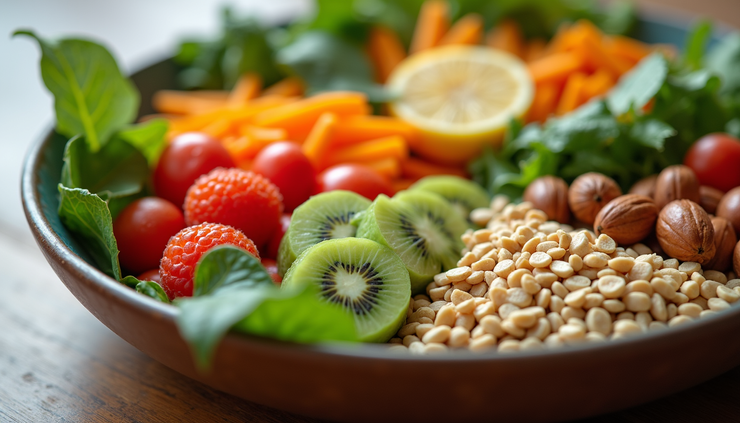
Colorful fruits and vegetables: Rich in antioxidants and vitamins.
Whole grains: Provide fiber and B vitamins.
Lean proteins: Such as poultry, fish, beans, and tofu.
Healthy fats: Olive oil, avocados, nuts, and seeds.
Dairy or fortified alternatives: For calcium and vitamin D.
Foods and Habits to Avoid
Certain foods and lifestyle habits can negatively impact fertility:
Excessive caffeine: High intake may reduce fertility.
Alcohol: Can impair hormone balance and sperm quality.
Processed foods: Often high in unhealthy fats and sugars, contributing to inflammation.
Trans fats: Linked to ovulatory infertility.
Smoking: Damages reproductive cells and reduces fertility.
Practical Tips for Improving Fertility Through Nutrition
Plan meals around whole, unprocessed foods.
Include a variety of colorful fruits and vegetables daily.
Choose healthy fats over saturated and trans fats.
Maintain a healthy weight through balanced eating and regular physical activity.
Stay hydrated and limit caffeine and alcohol intake.
Consider a prenatal vitamin or supplement after consulting a healthcare provider.
When to Seek Professional Help
While nutrition can significantly influence fertility, it is not a cure-all. Couples struggling with infertility should consult healthcare professionals for comprehensive evaluation and treatment. Registered dietitians specializing in fertility can provide personalized nutrition plans tailored to individual needs.
Nutrition plays a vital role in supporting reproductive health for both men and women. By focusing on nutrient-rich foods and healthy lifestyle habits, individuals can improve their chances of conception and overall well-being. Taking small, consistent steps toward better nutrition can make a meaningful difference on the journey to parenthood. If you are facing fertility challenges, consider reviewing your diet and seeking guidance from healthcare professionals to create a plan that supports your unique needs.


Comments