


ADHD or Nutrient Deficiency?

Aug 26
5 min read
Poor focus, restlessness, emotional outbursts, low motivation, sleep trouble, and forgetfulness can look like ADHD. They can also show up when the body is short on key nutrients.
That does not mean ADHD is “just a deficiency”. ADHD is a real neurodevelopmental condition, and many people benefit from a proper diagnosis and treatment plan. But nutrient deficiencies can mimic ADHD, worsen ADHD symptoms, or sit alongside it. If the underlying issue is missed, a person may be labelled too quickly, treated incompletely, or left wondering why nothing is helping enough.
This article is informational only and is not a substitute for medical advice. Testing and treatment should be discussed with a qualified health professional.

Why nutrient deficiencies can look like ADHD
The brain relies on nutrients to make neurotransmitters, carry oxygen, regulate energy, and calm the nervous system. When levels drop, symptoms can overlap with common ADHD traits.
Possible overlap includes:
Poor concentration
Impulsivity or irritability
Brain fog
Low stress tolerance
Restless legs or poor sleep
Fatigue that looks like low motivation
Anxiety or emotional sensitivity
Slow task initiation
The key difference is that ADHD usually begins in childhood and appears across settings, such as home, school, work, and relationships. A nutrient problem may appear after a period of poor diet, heavy stress, illness, restrictive eating, gut issues, heavy periods, pregnancy, or rapid growth.
Still, the two can exist together. Someone can have ADHD and iron deficiency. Someone can have ADHD and low zinc. Treating the deficiency may not remove ADHD, but it may make the person’s baseline much better.
Zinc plays a role in impulse control and mood
Zinc supports neurotransmitter function, immune health, appetite, taste, wound healing, and hormone balance. It is also involved in the way the brain responds to dopamine, a key chemical linked with motivation and attention.
Low zinc may be associated with:
Poor appetite or picky eating
Slow wound healing
Frequent infections
White spots on nails, although this is not a reliable diagnostic sign
Low mood
Irritability
Reduced taste or smell
Children and adults with limited diets may be at higher risk. This can include people who avoid meat, eat very little seafood, rely heavily on processed foods, or have gut absorption issues.
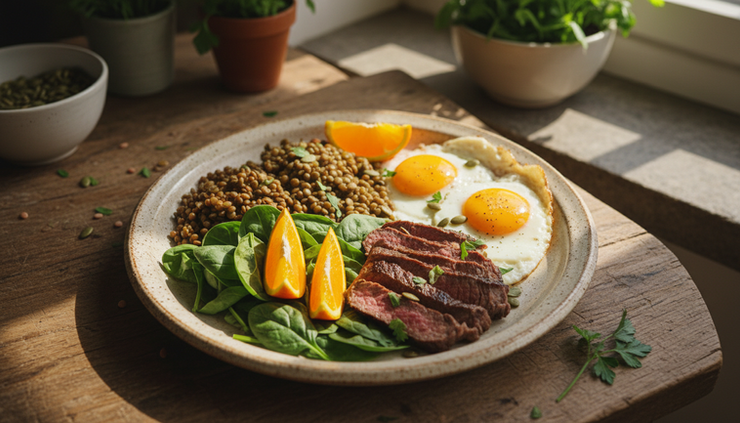
Food sources include oysters, beef, lamb, pumpkin seeds, hemp seeds, chickpeas, lentils, cashews, and eggs.
Zinc supplements should be used carefully. Too much zinc can reduce copper and cause other problems. Testing and professional guidance matter.

B9 and B6 help make brain chemicals
Vitamin B9, also called folate, and vitamin B6 both help the body make and regulate neurotransmitters. These include serotonin, dopamine, noradrenaline, and GABA.
When B vitamins are low, a person may feel wired but tired, flat, foggy, anxious, or emotionally reactive.
Folate and the MTHFR gene
MTHFR is a gene involved in folate metabolism. It helps convert folate into a form the body can use in methylation, a process linked with mood, detoxification, cell repair, and neurotransmitter production.
Some people have MTHFR variants that reduce enzyme activity. These variants are common. Having one does not automatically mean someone has a folate deficiency, ADHD, anxiety, or any specific condition.
What matters more is the full picture:
Folate status
B12 status
Homocysteine levels
Diet quality
Gut health
Symptoms
Medications
People with MTHFR variants do better with methylfolate rather than synthetic folic acid.
Vitamin B6 and nervous system balance
B6 helps convert amino acids into neurotransmitters. It also supports haemoglobin production and hormone metabolism.
Low B6 may be linked with:
Irritability
Poor dream recall
PMS symptoms
Low mood
Nerve tingling
Fatigue
Poor stress tolerance
Food sources include poultry, fish, potatoes, bananas, chickpeas, sunflower seeds, pistachios, and fortified cereals.
High-dose B6 can cause nerve symptoms if taken for too long. It is a vitamin where guidance really matters.
Iron deficiency can be mistaken for inattention
Iron is essential for oxygen transport and energy. It also helps with dopamine production. Low iron can make a person feel exhausted, foggy, restless, flat, or unable to focus.
Iron deficiency is especially relevant in Australia for menstruating people, pregnant people, teenagers, athletes, vegetarians, vegans, and anyone with gut conditions or blood loss.
Common signs include:
Tiredness despite sleep
Shortness of breath on exertion
Dizziness
Headaches
Pale skin
Restless legs
Hair shedding
Poor concentration
Feeling cold
Ferritin, the storage form of iron, can be low even when haemoglobin is still in range. That means someone may not be anaemic yet but still feel unwell.
Iron supplementation should not be done without caution. Excessive iron can be detrimental, and symptoms may arise from various causes. Consult your healthcare provider for an iron study before starting supplementation.
Pyrroluria is discussed often, but evidence is mixed
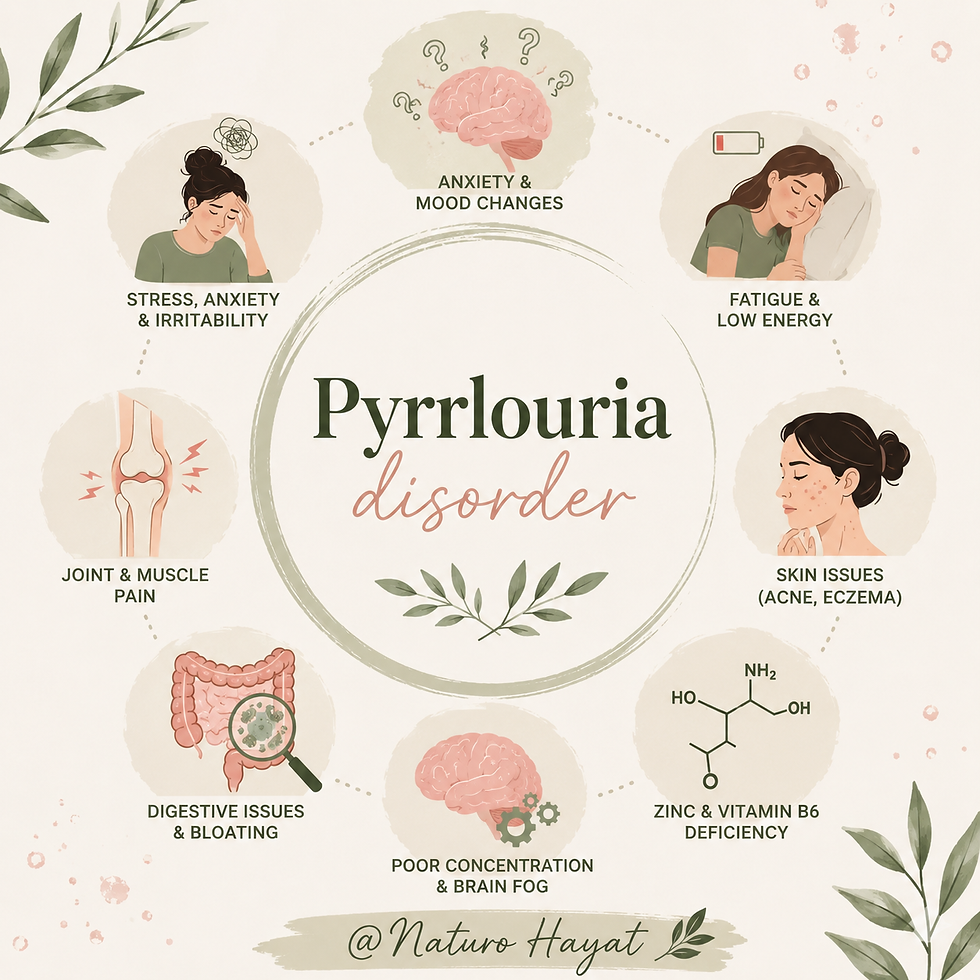
Pyrroluria, sometimes called pyroluria, is a proposed condition where the body is said to produce excess pyrroles that bind to zinc and vitamin B6, increasing their loss through urine.
Practitioners who work with pyrroluria often associate it with:
Inner tension
Social anxiety
Mood swings
Sensitivity to stress
Poor dream recall
Morning nausea
Stretch marks
Light or sound sensitivity
Preference for routine
Some people report improvement when treated with zinc, B6, and related nutrients. But pyrroluria is not universally accepted in mainstream medicine, and testing methods can vary. The science is still debated.
A balanced approach is best. If pyrroluria is suspected, avoid self-prescribing large doses of zinc or B6. Look at standard nutrient markers, symptoms, diet, gut health, medication history, and mental health history as well.
How misdiagnosis can happen
Misdiagnosis can happen in both directions.
A person with iron deficiency may be told they are inattentive, unmotivated, or anxious when their brain is simply under-fuelled. Another person may have clear ADHD but be told to “fix their diet” instead of getting proper support.
A careful assessment should ask:
Did symptoms begin in childhood?
Are symptoms present in more than one setting?
Is there a family history of ADHD?
Are sleep, stress, trauma, anxiety, depression, and learning difficulties involved?
Has nutrition been assessed?
Are there signs of iron, zinc, B9, B6, B12, vitamin D, iodine, or magnesium issues?
Are medications, alcohol, cannabis, or other substances affecting attention?
The phrase ADHD or nutrient deficiency should not be treated as an either-or question. For many people, the honest answer is “possibly both”, or “we need to check”.
What to test before assuming it is ADHD alone
A GP, paediatrician, psychiatrist, dietitian, or qualified integrative practitioner may consider tests such as:
Area | Common markers to discuss |
Iron | Full blood count, ferritin, serum iron, transferrin saturation |
B vitamins | Folate, B12, homocysteine |
Zinc and copper | Plasma zinc, copper, ceruloplasmin where relevant |
Thyroid | TSH, free T4, free T3 where indicated |
General health | Vitamin D, liver function, kidney function, inflammation markers |
Genetics | MTHFR testing only when it will change care decisions |
Testing should match the person, not a checklist. Symptoms, diet, age, menstrual history, gut health, medications, and family history all change what makes sense.

A sensible next step
If attention problems are affecting school, work, parenting, relationships, or daily life, seek a proper ADHD assessment. At the same time, ask whether nutrient deficiencies could be contributing.
A good plan may include:
A full symptom history
Blood tests where appropriate
Review of diet and eating patterns
Sleep assessment
Mental health screening
Support for ADHD if diagnostic criteria are met
Safe correction of deficiencies if found

Comments